
What Size HVAC System Do You Need for Your Minnesota Home?
What Size HVAC System Do You Need for Your Minnesota Home?
Proper HVAC system sizing helps Minnesota homeowners maintain comfortable temperatures, improve energy efficiency, and avoid unnecessary equipment costs. Your home’s square footage provides a starting point, but professional calculations determine the heating and cooling capacity your home actually needs.
Choosing a new HVAC system is an important investment in your home’s comfort. Whether you’re replacing an aging furnace or installing new air conditioning, selecting the right equipment size matters.
An oversized system can waste energy and cycle on and off too frequently. An undersized system may struggle to maintain comfortable temperatures during Minnesota’s cold winters and hot summers. Understanding the basics of HVAC system sizing can help you make an informed decision before scheduling installation.
How Does Your Home’s Square Footage Affect HVAC System Sizing?
Your home’s square footage is one of the first measurements considered when determining heating and cooling requirements.
Larger homes generally need more heating and cooling capacity than smaller homes. However, two homes with identical square footage may require different equipment sizes.
Several factors influence the amount of heating and cooling your home needs:
- Insulation: Proper insulation helps reduce heat loss during winter and heat gain during summer.
- Windows and doors: Their size, condition, and efficiency affect indoor temperatures.
- Ceiling height: Rooms with higher ceilings contain more air that may need conditioning.
- Home layout: Multiple levels, additions, and open floor plans can affect airflow and temperature distribution.
- Air leakage: Drafts around windows, doors, and other openings increase heating and cooling demands.
- Minnesota’s climate: Seasonal temperature extremes influence system requirements.
Square footage provides a useful starting point, but it should never be the only measurement used.
What Are BTUs, and Why Do They Matter?
BTU stands for British Thermal Unit, a measurement of heat energy. HVAC equipment capacity is commonly expressed in BTUs per hour (BTU/h). This measurement helps describe how much heating or cooling a system can provide.
For example, a furnace rated at 60,000 BTU/h input does not necessarily deliver that amount of heat into your home. Its actual heating output depends on its efficiency. Air conditioning capacity is also commonly expressed in tons. One ton of cooling capacity equals 12,000 BTU/h.
Understanding these measurements can help homeowners compare equipment. However, a higher BTU rating does not automatically mean better performance. The goal is to choose equipment that matches your home’s actual heating and cooling requirements.
What Happens When Your HVAC System Is the Wrong Size?
Installing equipment that is too large or too small can create ongoing comfort and efficiency problems.
Problems With an Oversized HVAC System
An oversized system may reach the thermostat’s target temperature too quickly and shut off before completing an effective operating cycle.
This frequent starting and stopping is called short cycling.
Potential problems include:
- Increased wear on system components
- Unnecessary equipment expenses
- Uneven indoor temperatures
- Reduced humidity control during cooling
-
Lower operating efficiency
Problems With an Undersized HVAC System
An undersized system may run for extended periods while struggling to maintain the desired indoor temperature.
Homeowners may experience:
- Rooms that never reach comfortable temperatures
- Excessive system operation
- Increased energy consumption
- Difficulty keeping up during extreme weather
- Additional strain on equipment
Proper HVAC system sizing helps avoid these problems and supports consistent comfort throughout your home.
How Do HVAC Professionals Determine the Correct System Size?

Professional HVAC technicians evaluate several characteristics of your home before recommending replacement equipment. An important part of this process is a heating and cooling load calculation. The industry-recognized ACCA Manual J method estimates how much heating and cooling a home requires based on its specific characteristics.
The calculation considers insulation, windows, air leakage, building orientation, and local climate conditions. According to the U.S. Department of Energy’s HVAC sizing guidance, accurately calculating heating and cooling loads is essential for selecting appropriately sized equipment. Once the heating and cooling loads are established, the contractor can evaluate suitable equipment and airflow requirements.
This process provides a more reliable recommendation than simply replacing an old furnace or air conditioner with equipment of the same capacity.
Why Does HVAC System Sizing Matter in Minnesota?
Minnesota homeowners experience significant seasonal temperature changes. A properly selected heating system must provide dependable comfort during winter. Cooling equipment must also handle summer temperatures and humidity. Older homes in Anoka and surrounding communities may have different heating and cooling requirements than newer, energy-efficient homes.
Renovations, replacement windows, added insulation, and finished basements can also change a home’s heating and cooling needs. If you’ve made improvements since your existing HVAC system was installed, its original capacity may no longer be appropriate. Professional evaluation helps determine whether your home needs a similar system or a different capacity.
Should You Have Your Ductwork Evaluated Before HVAC Installation?
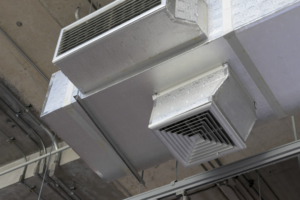
Yes. Existing ductwork can affect the performance of a newly installed heating or cooling system. Even properly sized equipment may struggle when ductwork restricts airflow or allows conditioned air to escape. Before replacing HVAC equipment, consider having a professional inspect your ductwork for:
- Leaks or disconnected sections
- Restricted airflow
- Improperly sized ducts
- Damaged insulation
- Uneven heating or cooling between rooms
Addressing ductwork problems can help your new equipment operate more effectively. Learn more about Superior’s ductwork services and how proper airflow contributes to home comfort.
Frequently Asked Questions About HVAC System Sizing

Can I determine HVAC system size using square footage alone?
No. Square footage provides a starting point, but insulation, windows, air leakage, and local climate also affect equipment requirements. A professional load calculation provides a more accurate assessment.
Is a larger HVAC system always better?
No. Oversized equipment may cycle too frequently, create uneven temperatures, and increase equipment costs. Proper sizing helps balance comfort, efficiency, and system performance.
Should I replace my furnace with the same size unit?
Not necessarily. Your home’s heating requirements may have changed since the original installation. A professional evaluation can determine whether the existing capacity remains appropriate.
Does ductwork affect HVAC system sizing?
Yes. Ductwork affects airflow and system performance. Contractors should evaluate duct conditions and capacity when selecting and installing new heating or cooling equipment.
Can a properly sized HVAC system reduce energy costs?
Proper sizing can help prevent unnecessary energy consumption caused by equipment that is too large or too small. Actual savings depend on equipment efficiency, installation quality, insulation, and operating habits.
Get Professional HVAC Installation Guidance From Superior
Choosing the right HVAC system involves more than selecting equipment based on square footage. Superior Heating, Air Conditioning & Electrical, Inc. helps homeowners in Anoka and surrounding Minnesota communities with heating, cooling, and HVAC installation needs. As a family-owned business with over 22 years of experience, Superior focuses on dependable service and long-term comfort solutions.
Whether you’re replacing an aging furnace, upgrading your air conditioner, or planning improvements, the Superior team can help evaluate your options. Explore our heating services and air conditioning services to learn more.
Ready to discuss your HVAC installation?
Contact Superior Heating, Air Conditioning & Electrical, Inc. at 763-422-1721 or contact our team to discuss your home’s heating and cooling needs.
Published October 2026
 Bryant delivers energy-efficient heating and cooling solutions built for year-round comfort and dependable performance.